Master Farm - Harvest Better
The AgroLog is a precision monitoring spear with built-in cellular technology, measuring in-situ moisture and temperature wirelessly to deliver accurate, real-time crop data straight to you – so you can make faster, smarter decisions in the field.
The Superpro range of bio and moisture meters / analysers is the next generation of portable digital testers. With an integrated grinder, grain is ground and compressed in one simple step for consistent, reliable results. Automatic temperature compensation ensures accuracy every time. All new meters include a 2-year warranty for complete confidence.
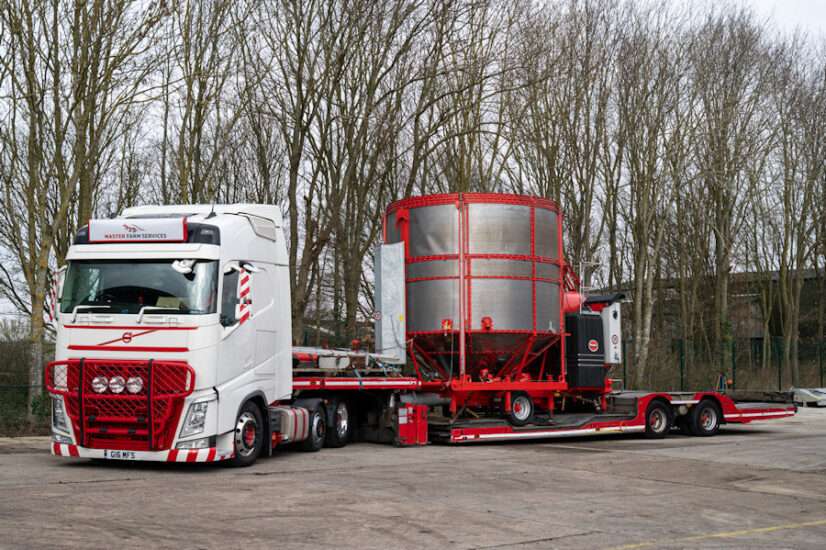
The Master Driers range
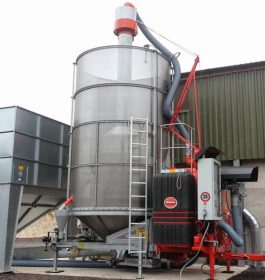
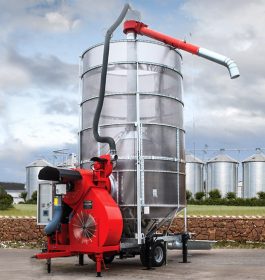
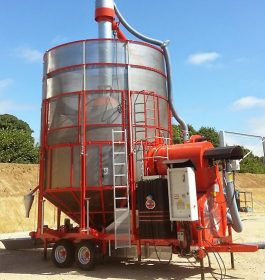
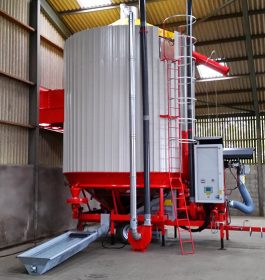
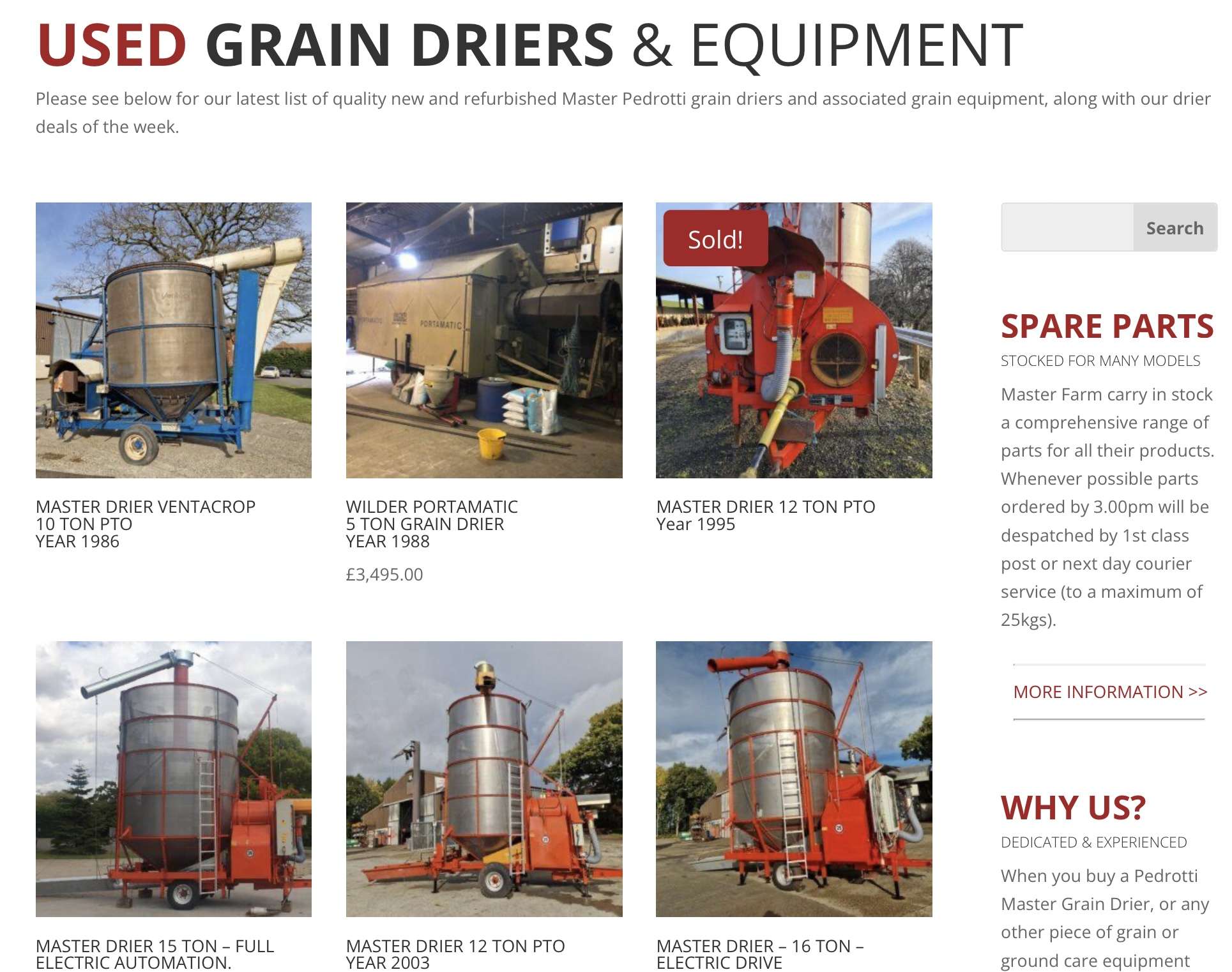
Pedrotti Master Driers handle a wide variety of cereal crops, grains, and materials efficiently under any climate or cropping system. With capacities from 10–56 tonnes and fully electric automated grain dryer options, each drier can be tailored to meet your farm’s on-site drying requirements, delivering reliable results every harvest.
Every new machine comes with a 3-year comprehensive factory warranty included in the “Master Care” package. Whether you need a new, refurbished, or hire drier, the Pedrotti Master range provides industrial strength, high-capacity performance, and long-term durability.
Stay up-to-date with the latest news, events, and product updates by following us on Facebook.
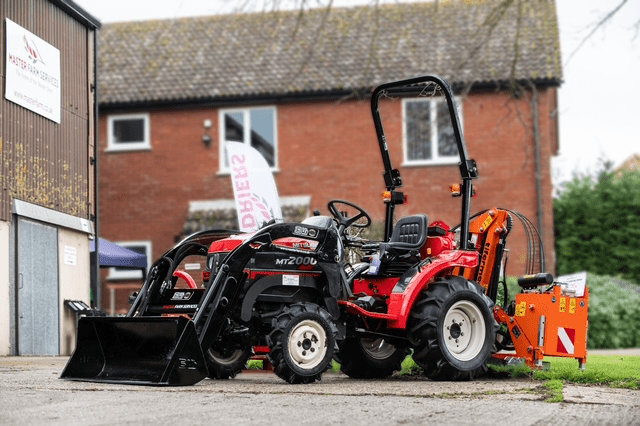
Tractor Parts Fast & Reliable
Master Farm Services offers a comprehensive range of spare parts for both old and new Japanese tractors, including Kubota, Mitsubishi, Iseki, and Yanmar.
Our prompt, reliable, and professional service ensures your tractor stays in top condition, so downtime is minimised during critical farming operations.
Available spares include:
Engine Parts • Service Pack Filters • Clutch Kits • Water Pumps • Gasket Kits • Seals & Bearings
Visit the Tractor Spare Parts Shop today and get the parts you need to keep your farm running smoothly.
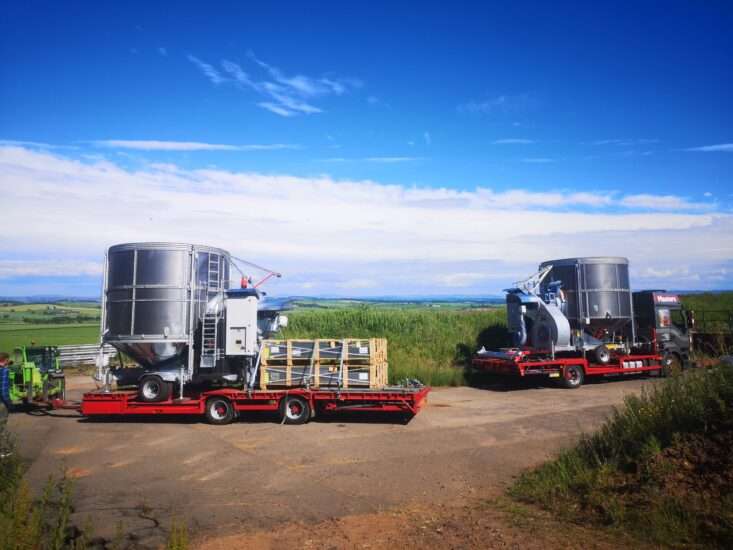
Powerful & Harvest Ready
Engineered for arable farms, Pedrotti Master Driers handle most types of crops and materials efficiently, performing in any climate or cropping system worldwide. With capacities from 10–56 tonnes and fully electric automated options, every drier can be tailored to your on-farm requirements — delivering fast, reliable grain drying season after season.
All new machines include a 3-year comprehensive factory warranty through the exclusive “Master Care” package. Whether you need a new, refurbished, or hire drier, the Pedrotti Master range combines industrial strength, durability, and high-performance for complete peace of mind.
Stay up-to-date with the latest news and harvest solutions — follow us on Facebook.
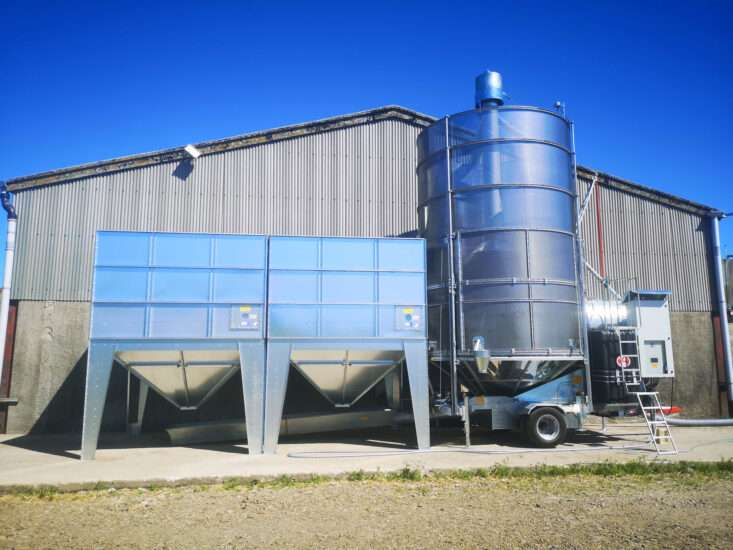
Industrial Strength Driers
Pedrotti Master Driers efficiently handle a wide variety of crops and grains, performing reliably across all climate conditions and cropping systems worldwide. With capacities from 10–56 tonnes and fully electric automated options, each drier can be customised to meet your on-farm grain drying needs, making it the ultimate solution for efficient, high-capacity crop drying.
Whether you need a new, refurbished, or hire drier, the Pedrotti Master range delivers industrial design, unmatched durability, and consistent performance for every harvest.
Call us today: 01787 228450
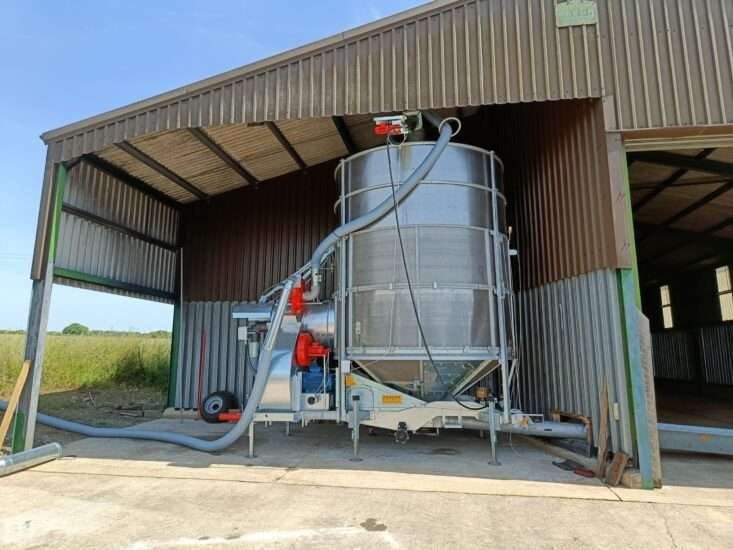
The Master Driers range
Pedrotti Master Driers are suitable for handling most types of crops and materials and deal efficiently with different climate conditions and cropping systems worldwide. With capacities from 10-56 ton with full electric automated alternatives to meet individual requirements, the Pedrotti Master Drier is suitable for most applications and is a real contender for all your on farm drying requirements.
All new machines now come with a 3 year comprehensive factory warranty included in the “Master Care” package, so whether you are after a new, refurbished or just a hire drier for harvest the Pedrotti Master range of driers are Industrial in their Design, Strength and Performance.
Latest news and events follow us on Facebook.